
Another AI expert's hot take

The rise of AI has brought about so many discussions and opinions. While no one truly knows how this technological revolution will unfold, many narratives often painting an extreme picture.
One extreme viewpoint portrays AI as the harbinger of "Armageddon," evolving into a superhuman intelligence that will wipe us out. A milder version of this fear suggests that while AI might not eliminate humanity, it will undoubtedly decimate jobs, ushering in economic instability.
Conversely, others champion AI as the greatest benefit to mankind. They see a future where AI boosts productivity, allowing us to achieve more, have more fun, and earn more money (colour me sceptical of all of it). This perspective often comes with the idea that if you don't share this optimistic view, you're a "Luddite." The people in this category often have an air of superiority complex i.e. AI will replace jobs, but all you need to do is to retrain or become an entrepreneur! Hmmm, why do I think it’s not that easy?
My perspective? Both viewpoints can be true. As George Hinton suggested, the reality will likely lie somewhere in between these two extremes. So let’s try to bring a bit more nuance to the conversation.
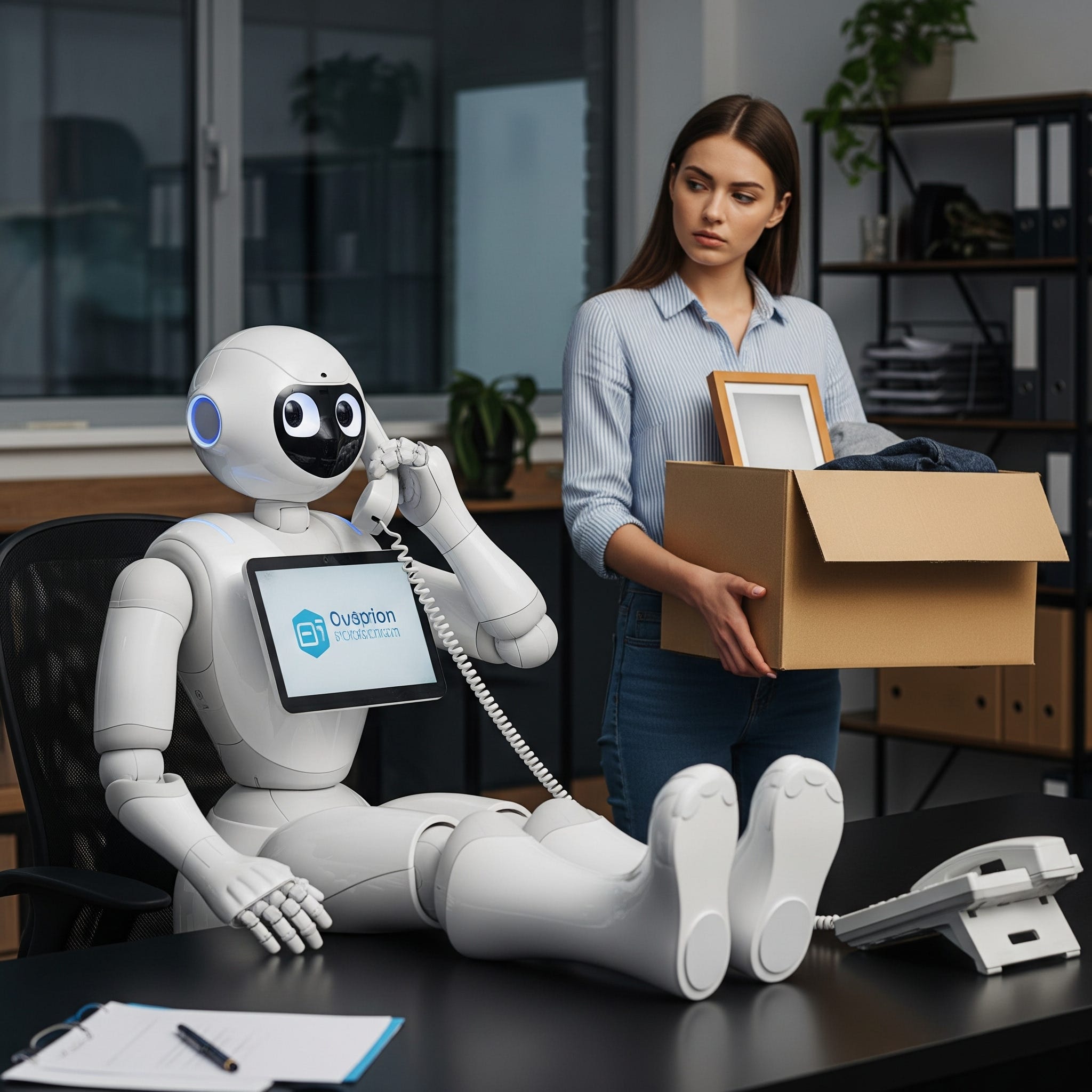
Will AI Wipe Out Jobs?
Yes, absolutely. AI is going to displace many jobs. While it may not directly "wipe out" jobs in every instance, it will dramatically reduce the number of humans needed for certain roles in the short term. Administrative positions are prime examples: answering calls, reading and responding to letters, booking appointments, and various receptionist or administrative assistant roles, particularly in customer service, are likely candidates for early automation. Further down the line, other roles like accountancy, programming etc may also see a reduction in the number of people needed. The roles won't disappear, but fewer individuals will be required to fill them.
Will AI Create New Jobs?
Yes, AI will undoubtedly create new types of jobs. However, the exact ratio between displaced and newly created jobs remains uncertain. My suspicion is that fewer jobs will be created than displaced. Also, new roles will likely be highly technical, while displaced roles will likely be non-technical. This disparity means it won't be as simple as an administrative assistant just retraining to become an entrepreneur or an AI engineer. I believe we are already seeing some of this displacement, though the picture is somewhat unclear. Many recent tech layoffs, for example, could be more a consequence of over hiring during the COVID-19 pandemic than direct AI displacement. However, companies are quietly shedding administrative roles or simply not replacing them as attrition occurs.
Significant job displacement is likely, unless governments intervene. While I'm generally wary of government intervention, as it often makes things worse, there have been pushbacks in the US against automation in the trucking industry. This sector is a massive employer for young men without post-secondary education, and introducing AI and automation there could harm the economy. Whether intervention is the right approach is a separate debate, but we can expect huge displacement without some form of change or intervention.
"AI Won't Take Your Job, But Someone Using AI Will"
This popular saying isn't entirely accurate. I believe both statements can be true: AI can take your job, and someone using AI can also take your job. Therefore, simply using AI doesn't guarantee you're safe from job loss. When I see this take on LinkedIn, it genuinely gives me an eye-roll moment.
The "Superhuman AI" Threat
I'm less concerned about AI becoming a fully autonomous, superhuman entity. My bigger worry lies in a small, elite segment of society owning and controlling the logic behind AI. This scenario, where a select few, program and govern the vast majority of AI systems, is far more probable than complete AI autonomy. Frankly, I'm not sure which outcome is more dangerous but I might pick AI over the elites.
My Takeaway: Adaptability and Human Connection
Big change is coming. From what I've seen, people will increasingly value human connections and interactions. We might even reach a point where consumers consciously choose to support organizations that prioritize human employment. This could become the new "green" or "sustainability" badge, with companies advertising based on their human workforce as a brand engagement point. Personally, I’d like companies to start publishing their headcount as part of their annual report so that we can see who is shedding headcount in favour of unreasonable profit
The best course of action is to be adaptable and continuously learn skills that will be relevant in the next five years. Many jobs that will exist then probably don't even exist today. We must become comfortable with lifelong learning. A great way to start is by learning anything challenging. There's a lot of talk about programming "dying," with some “experts” advising against learning to code. However, I believe learning to code is still valuable. It's a difficult skill, which is excellent for brain development, and mastering that kind of logical thinking will undoubtedly open doors to future opportunities.
Ultimately, try not to worry too much. If you are concerned, just keep learning as much as you can about AI. I will be here, writing about AI and my career, so feel free to follow along to hear more.
Thanks for reading my blog. Subscribe for free to receive new posts and support my work.